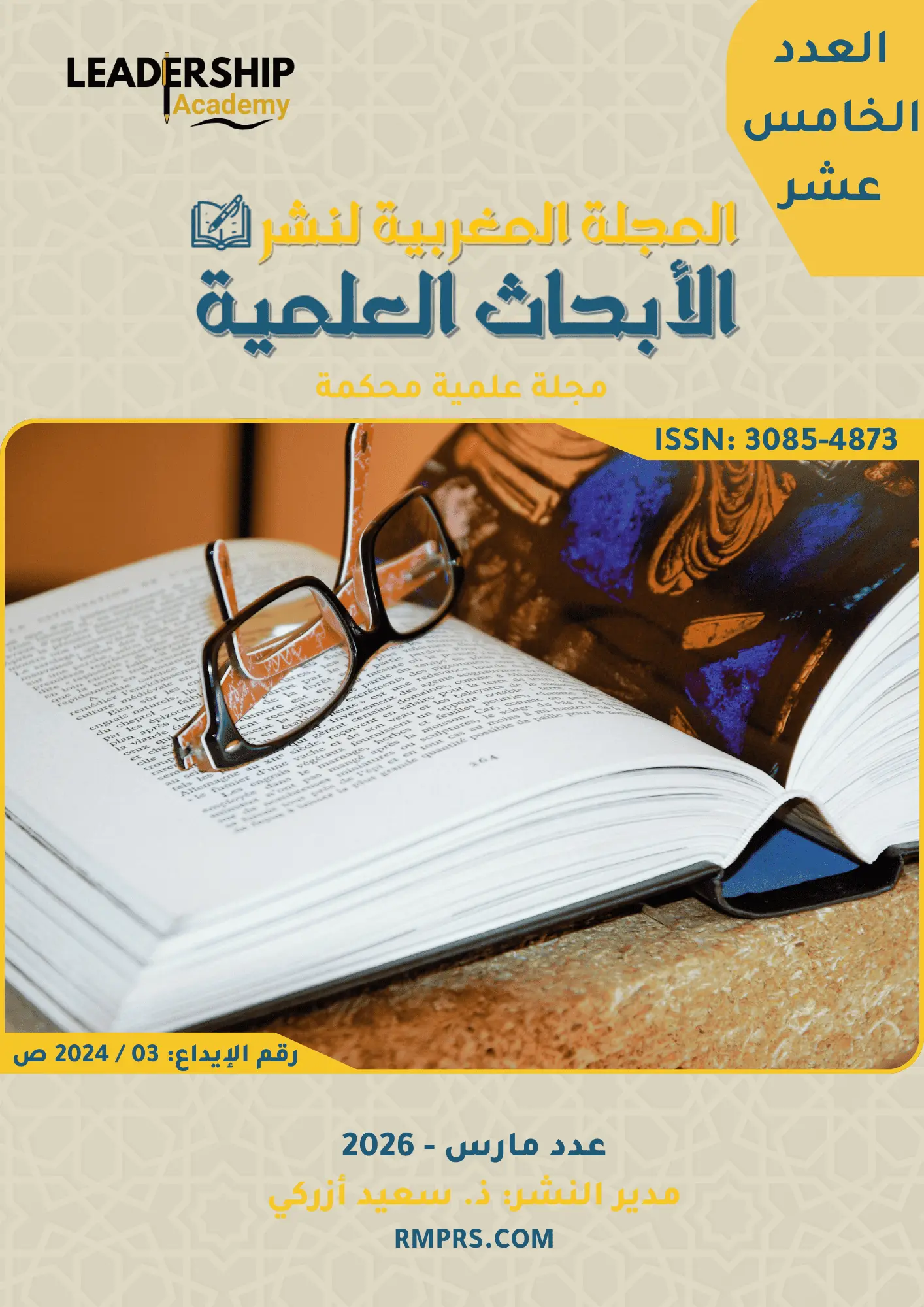
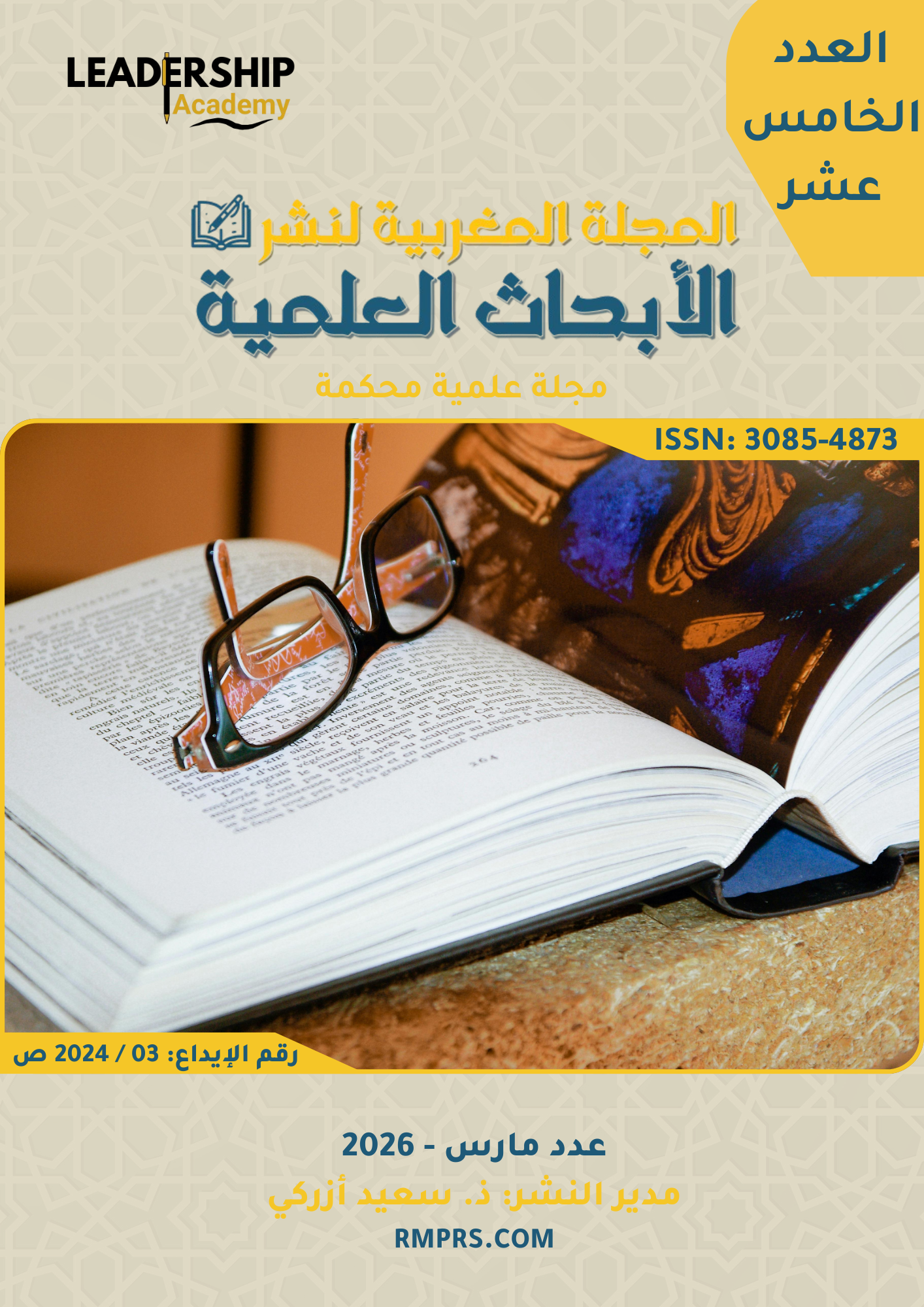
This research provides a comparative analysis of the conceptions of madness within classical Islamic thought and the medieval and modern European Church traditions. Before the rise of modern psychiatry, religious societies were the primary interpreters and managers of mental disorders, a role this article explores through cross-cultural perspectives. In the Islamic world, scholars and physicians like Avicenne and Al-Razi developed a nuanced view that integrated medical, legal, and spiritual dimensions, leading to the creation of specialized care institutions. Conversely, in Christian Europe, interpretations of madness often fluctuated between theological explanations, such as demonic possession or divine punishment, and rudimentary medical approaches inspired by antiquity. The study highlights the differences in defining moral and legal responsibility for the "insane" in both traditions. The author examines the evolution of care practices and the organization of assistance institutions, comparing the relatively humane Islamic "Bimaristans" with early European asylums. The paper delves into how religious dogmas shaped the social stigma or acceptance of mentally ill individuals. By analyzing theological, legal, and medical sources, the research reveals how each tradition struggled to reconcile natural and supernatural explanations for mental distress. Ultimately, the study concludes that these historical religious frameworks laid the groundwork for modern societal attitudes toward mental health and human dignity.
Résumé de la recherche
La folie dans la pensée islamique et dans la tradition de l’Église européenne: regards croisés
Résumé:
Références
Télécharger l'article complet :
Licence
(c) Copyright Abdelouahed EL ABBASSI (المؤلف) 2026

Ce travail est disponible sous licence Creative Commons Attribution - Pas d’Utilisation Commerciale 4.0 International.
Copyright & Intellectual Property Statement:
Authors retain full copyright and intellectual property rights for their articles published in the "Moroccan Journal for Publishing Scientific Research (RMPRS)", granting the journal the right of first publication. All articles are published under the Creative Commons Attribution-NonCommercial 4.0 International License (CC BY-NC 4.0).
Third parties are permitted to read, copy, distribute, reuse, and adapt the published material for non-commercial purposes, provided that full credit is given to the author and the journal as the original source of publication. Any commercial use of the content is strictly prohibited without prior written permission from the journal's editorial management.