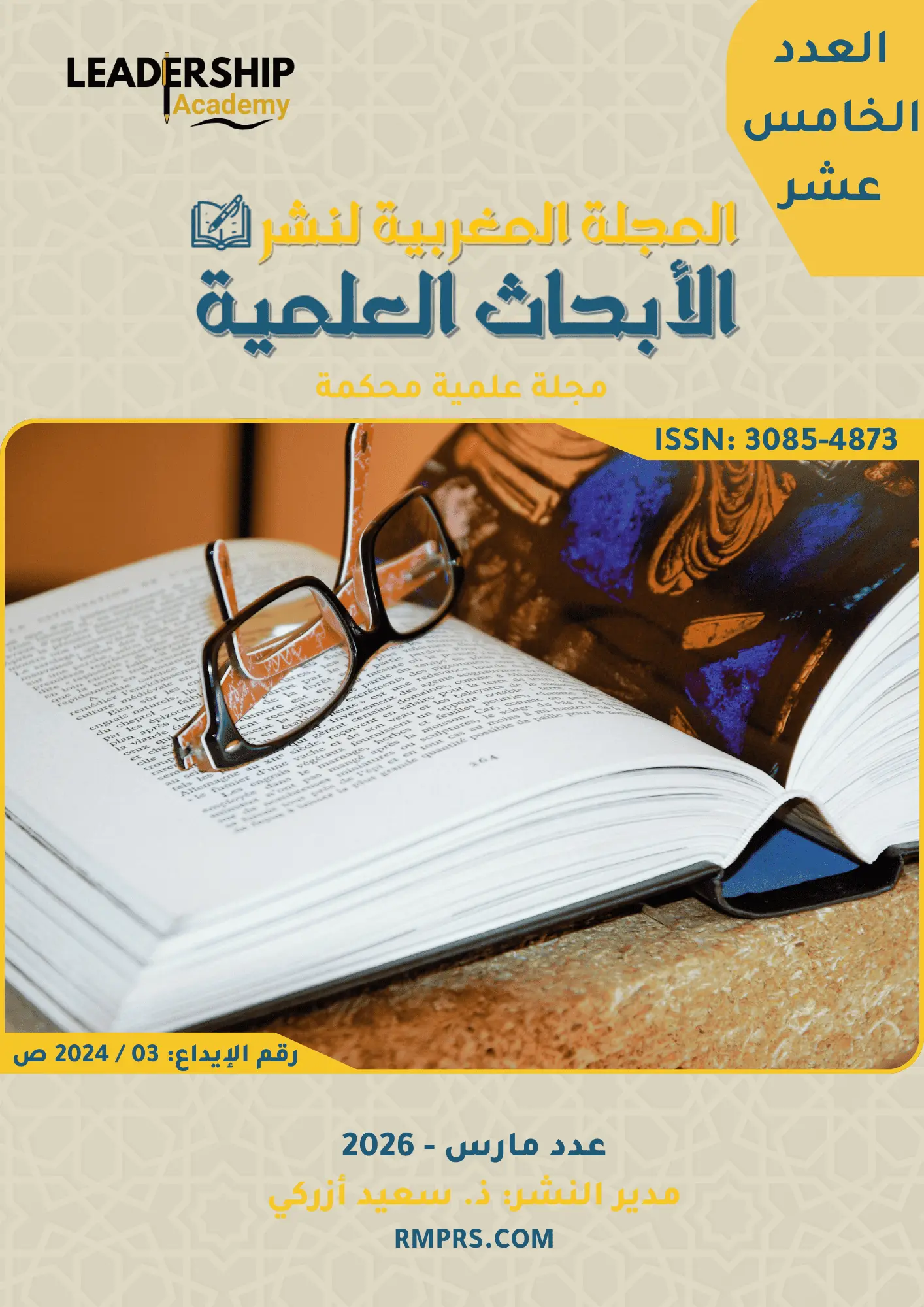
The Al Haouz earthquake of September 8, 2023, stands as one of the most significant natural disasters in Morocco's recent history, sparking a massive media response that this article analyzes in detail. The study examines the central role of media as actors in information dissemination, collective mobilization, and the construction of public narratives during crises. The author highlights the contrast between traditional media, which focused on structured institutional communication and official discourse, and social media platforms, which provided instantaneous, participatory, and emotionally resonant coverage. However, this digital revolution also brought significant challenges, notably the rapid spread of misinformation and fake news, which complicated the management of the crisis. The research explores the tensions within the deeply transformed media landscape, evaluating the effectiveness of communication strategies in reaching affected populations. It discusses the concept of "information disorder" and the importance of fact-checking in the digital age. By using the Al Haouz earthquake as a case study, the article provides insights into how media power can be harnessed for solidarity while mitigating the risks of digital "infobesity" and misinformation. The study concludes that crisis management requires a hybrid communication model that integrates the reliability of traditional journalism with the agility of social networks to ensure public trust and effective disaster response.
Research Summary
Le rôle des médias dans la gestion de crise: étude de cas du séisme d’Al Haouz
Abstract:
References
Download full article:
License
Copyright (c) 2026 SALMA BELHAJALI (المؤلف)

This work is licensed under a Creative Commons Attribution-NonCommercial 4.0 International License.
Copyright & Intellectual Property Statement:
Authors retain full copyright and intellectual property rights for their articles published in the "Moroccan Journal for Publishing Scientific Research (RMPRS)", granting the journal the right of first publication. All articles are published under the Creative Commons Attribution-NonCommercial 4.0 International License (CC BY-NC 4.0).
Third parties are permitted to read, copy, distribute, reuse, and adapt the published material for non-commercial purposes, provided that full credit is given to the author and the journal as the original source of publication. Any commercial use of the content is strictly prohibited without prior written permission from the journal's editorial management.